
Protecting a home and property from power surges, voltage spikes and potential electrical fires is a crucial component of home ownership. Everyday electronics can cause these issues. Small surges can, and often do, happen. While these don’t always cause a major problem, they can weaken sensitive equipment over time. This is where surge protective devices (SPD) come into play.
What are Surge Protective Devices?
A surge protective device, also known as a surge protector, is a piece of equipment designed to protect electronics from power surges and excess voltage. This prevents damage to electronics, including computers, laptops, streaming devices, televisions, video games and kitchen appliances. Some SPDs also protect data lines, such as coaxial cables and telephone lines.
A surge protective device acts like a switch. The switch detects excess voltage and diverts it to the ground wire before it can enter the electrical system and damage expensive appliances and electronics. Surge protectors are available as whole-house versions and as plug-in protectors for individual devices and workstations. The SPD works alongside breakers and fuses to create an extra layer of protection from voltage spikes.
Benefits of Surge Protective Devices
Prevention of electrical line noise, which can come from radio frequency or electromagnetic interference caused by appliances, laser printers and fluorescent lighting
- Prevents repairs and replacements
- Extends equipment life
- Improves electrical system reliability
- Could help reduce home insurance premiums
- Adds home value
How Surge Protective Devices Detect and Divert Excess Voltage
Surge protection devices work by constantly monitoring incoming voltage. Depending on the type, they have voltage-sensitive components called metal oxide varistors (MOV) or gas discharge tubes (GDT) that switch from high resistance to low resistance when the voltage spikes. The dangerous voltage is then redirected. MOVs work by absorbing and redirecting the excess power. The GDT works by becoming conductive when there are high surges. This allows the excess voltage to be diverted to the ground.
Causes of Electrical Surges
- Lightning
- Downed power lines
- Faulty wiring
- Restoring power after an outage or grid fluctuations
- Circuit breaker malfunction
- Large appliances cycling on and off
Types of Whole-House Surge Protective Devices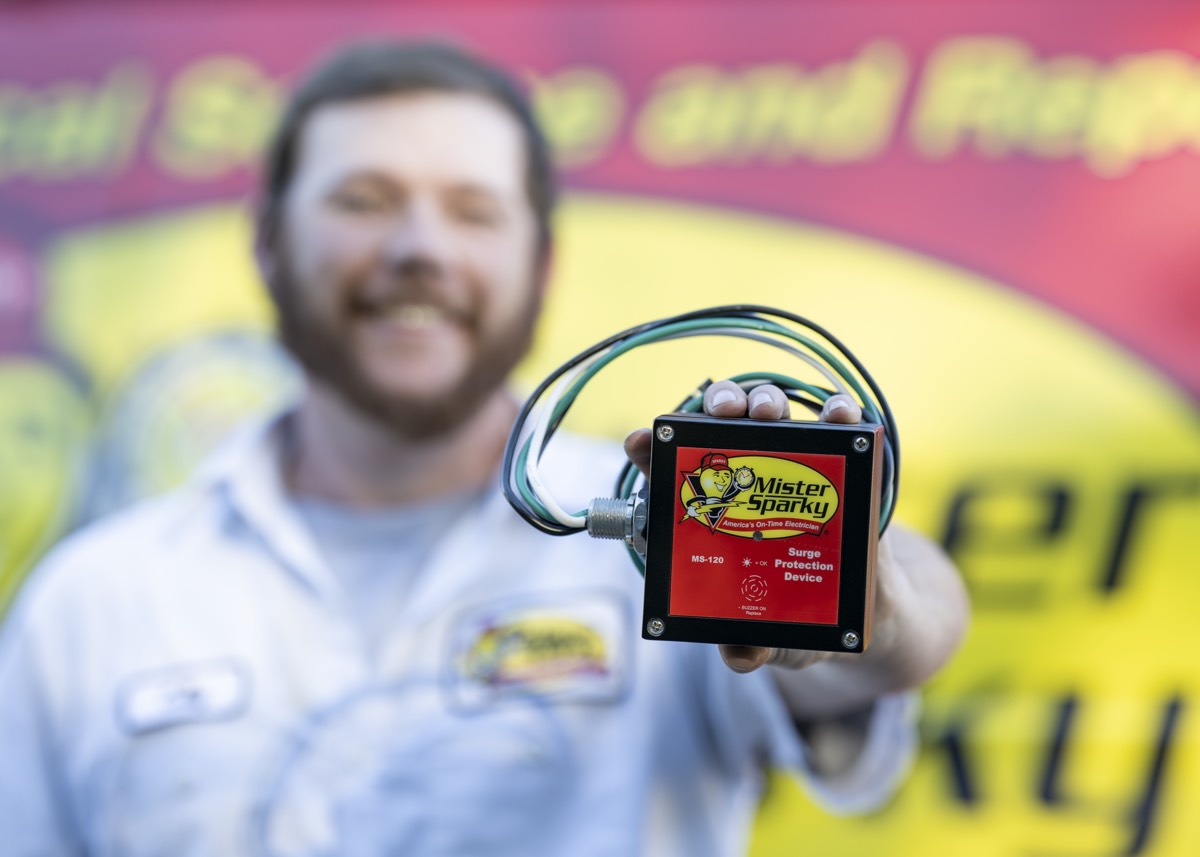
Whole-house surge protectors offer the most peace of mind for preventing electrical fires and other potential problems caused by excess voltage. This protects everything in the house at once by instantly diverting the excess voltage into the ground and away from the household. The only time it comes into action is when there is a surge.
Type 1 surge protectors block large surges before they reach the home’s electrical system, such as when lightning strikes or there is utility grid switching. They are usually mounted near the electric meter or at the main service panel.
Type 2 surge protectors are installed at the main electrical panel. They are the most common type for residential use and protect against internal or external power surges.
Type 3 refers to the commonly known power strip surge protectors. This type protects individual electronics from excess voltage. They are designed to supplement rather than replace a whole-house SPD. Use this type in combination with types 1 and 2.
Reasons to Invest in Surge Protection Devices
- Frequent storms
- Older wiring systems
- Multiple electrical devices in the home
- Frequently tripped breakers
- Remote work situations where connectivity is crucial
When choosing an SPD, several factors should be considered, including the joule rating, clamping voltage and response time. The joule rating tells how much energy can be absorbed before it breaks down. A minimum joule rating of 600 – 700 is recommended.
Clamping voltage refers to the maximum voltage allowed to pass through the SPD to the connected devices. Lower clamping voltages provide the most protection. No more than 400 is recommended. Response time is the speed at which a surge protector responds to power surges and excess voltage. For ultimate protection and functionality, look for SPDs with features such as USB ports, indicator lights and auto shut-off.
FAQ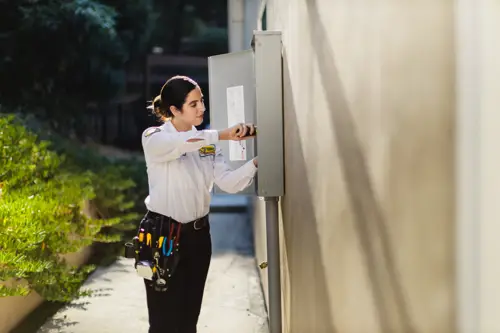
What does a surge protective device (SPD) do?
An SPD monitors incoming voltage and automatically diverts excess power to the ground wire before it can damage your appliances or electronics. It works alongside your existing breakers and fuses as an extra layer of protection.
What causes power surges?
Common causes include lightning strikes, downed power lines, faulty wiring, power restoration after an outage, circuit breaker malfunctions, and large appliances cycling on and off.
What are the different types of whole-house SPDs?
Type 1 is mounted near the meter and blocks large external surges like lightning. Type 2 installs at the main electrical panel and is the most common choice for homes. Type 3 is the familiar power strip protector best used alongside Types 1 and 2, not as a replacement.
What specs should I look for when choosing an SPD?
Look for a joule rating of at least 600–700 (how much energy it can absorb), a clamping voltage of 400 or lower (less is more protective), and a fast response time. Helpful bonus features include indicator lights, USB ports, and auto shut-off.
Who should consider investing in surge protection?
Anyone with multiple electronics, older wiring, frequent storms, regularly tripped breakers, or a remote work setup that depends on reliable connectivity would benefit from surge protection.
Do I need a professional to install an SPD?
Yes, proper installation is essential for both safety and effectiveness. A licensed electrician can assess your home’s needs and ensure the device is set up correctly.
Proper installation of SPDs is essential for both function and safety. A licensed electrical professional can assess your requirements, set it up safely and ensure that it meets your home’s needs. Don’t put up with any malarkey, call Mister Sparky today!
